
 By admin
Dear Biafran War Reports readers, long time no see ! but I must say it gives me enormous joy whenever I can bring you the histories of the Biafran war. Once again we are back and I hope you all are ready for what we have in store for you ?
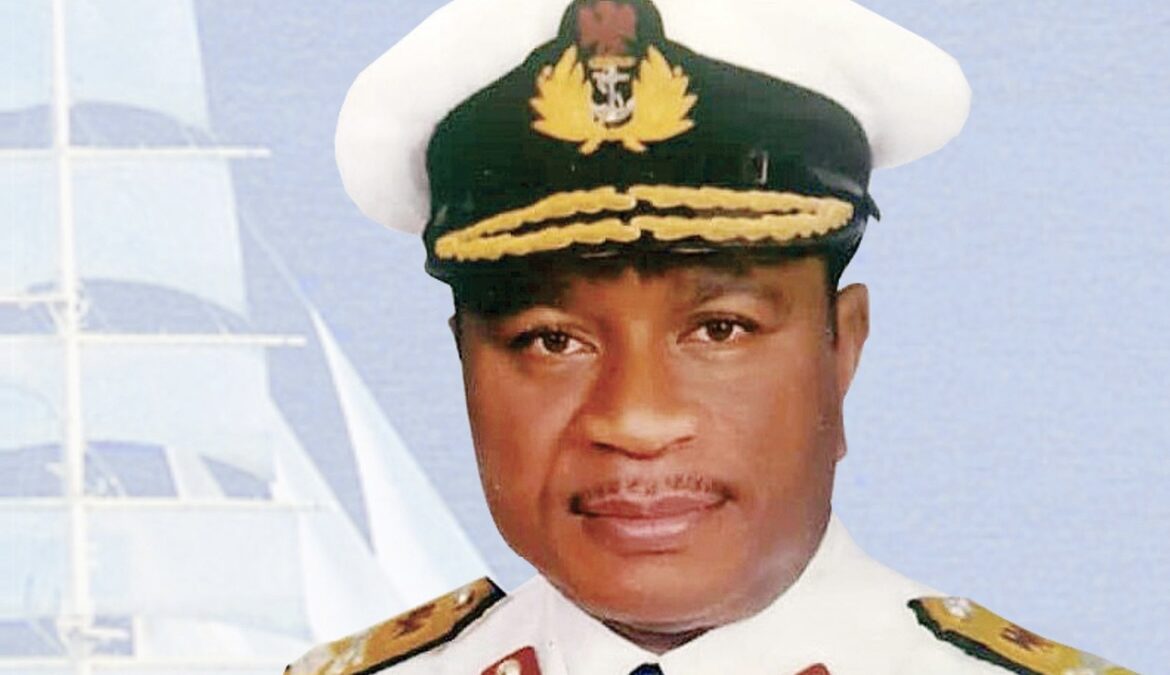
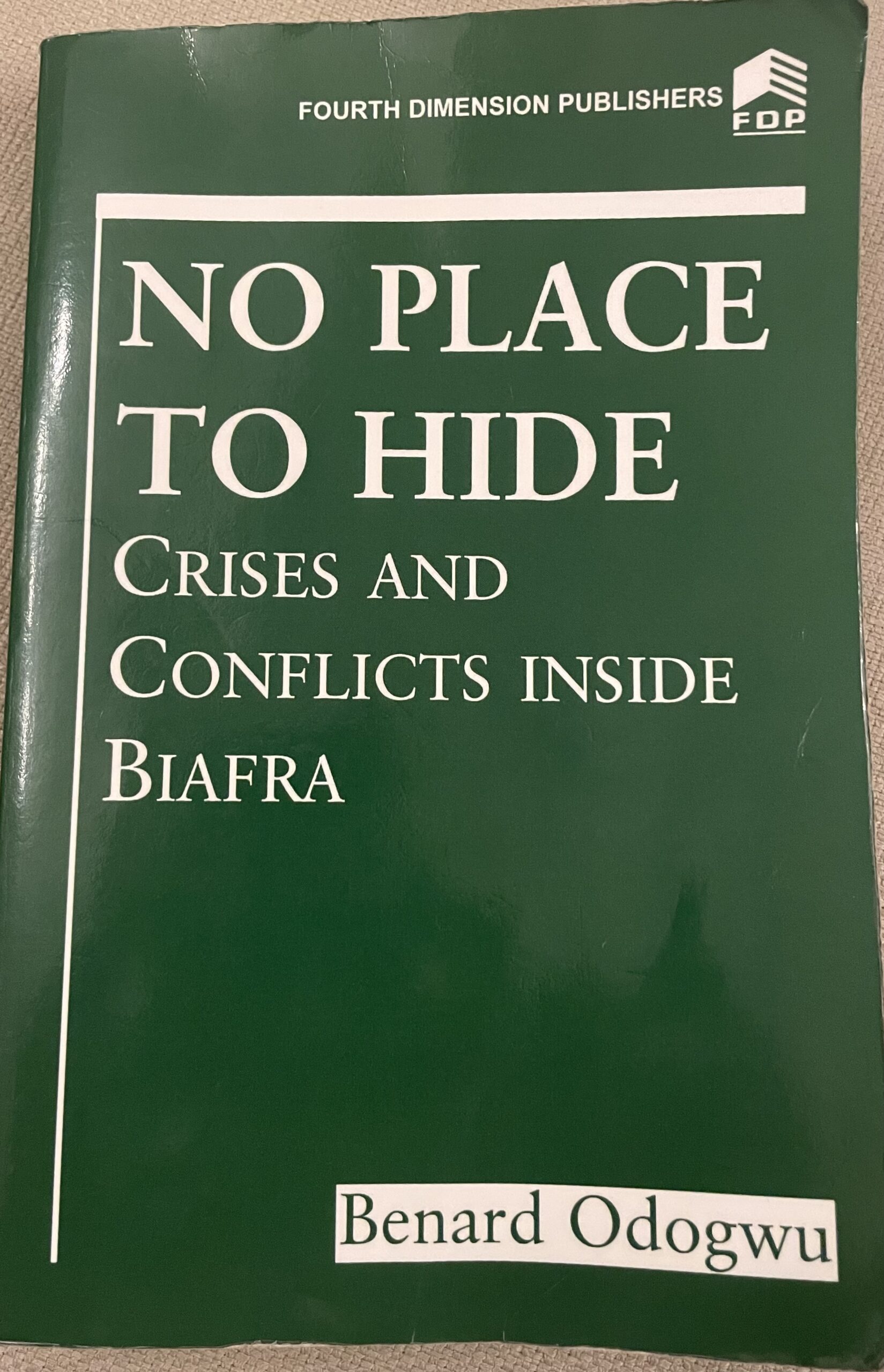
In this edition, we are bringing you a book that every objective searcher of the truth about the Biafran war must purchase and read. This book titled ‘No Place To Hide – Crises And Conflits, is a scintillating and brilliant book, written by a very intelligent author by the name of Bernard Odogwu a career diplomat for Nigeria and the head of the Biafran military intelligence. So as you can see by his professional background, he was a well informed insider on both sides, as you will see and also surprisingly an unbiased one – most writers on the Biafran war tend to take sides understandably.
How do I start to review this book ? well let me just say that the Biafran war was a bit of a strange war – from an Igbo point of view, in that various factors came into play to bring about this war:
- British dislike for the Igbo – stems from the times of slavery, the British had noticed and complained about the rebellious nature of the Igbo – they were prone to leading uprisings and insurrections – Haiti led by Tousaint De Oliverture ( an Igbo blood) defeated the Napoleonic French army.
- The Western Igbo across the Niger river gave stiff resistance to British colonisation via its Ekumeku war that lasted for more than 30 years.
- Failure of Indirect rule in Igboland.
- Aba women’s war (Riot) 1929, – The British then flooded Igboland with Psychologists and Sociologists to study the behaviour of these “strange Africans”.
- The advent of Dr Nnamdi Azikiwe on Nigerian politics and his fervent and intelligent drive for indepenence.
- The displacement of British civil servants in Southern Nigeria by mainly the educated Igbo.
- The massive growth and projection of the Eastern nigerian economy under the clever guidance of Dr Micheal Okpara – One of fastest rising economies in the world at the time.
- The discovery of oil and gas in the Eastern region in 1956 – in vast commercial quantities – Under the control of an Igbo majority government.
- Vast number of Western educated Igbo, forming a huge intellengencia, that threatened the British hold on Nigeria – and actually the rest of the other ethnic groups of Nigeria.
These mentioned above plus many more meant that the British already had in for the Igbo way before independence – they called the Igbo ‘Uppity’ – meaning self-important or arrogant. And so they set about to preclude the Igbo and other southerners from real power in Nigeria and chose the Fulani feudal lords of the North, to be their heirs to the Nigerian throne – the North, in terms of running a Western style of government, was way backward in terms of human resource, education and training and was no where ready to run a big nation nigeria, as attested to by their constant rejection of independence in the years prior to 1960 and this fitted well into the British plan to keep Nigeria down and dependent.
Of course I have to skip huge parts of the political developments prior and post independence, or we’ll be here all night (LOL). But you can now see that, as Independence approached, the North and the South constantly clashed over just about everything and anything and this miasma spilled over into Independence and spiralled into numerous crises:
- Election rigging.
- Census rigging and inflation of figures.
- corruption.
- Suppression of Minorities by the Majorities in different ways – North used extreme violence on its Tiv population using the Nigerian military.
- Political crises in the Western region, leading to thousands of deaths and displacements.
and many more. These issues led to the arrival of the first Coup d’eta in Nigeria, led mostly by officers of Igbo extraction – though it wasn’t an Igbo coup as later and still believed in Nigeria, despite evidence to the contrary. The victims were mainly Northen and western politicians and top officers and, but viewed from a political angle, these victims were members of the political coalition of Northern Peoples congress (NPC) and breakaway faction of the Action Group (AG), that formed Nigerian National Alliance (NNA), hence targetting was political and not ethnic or tribal, but the stage was now set for a very disturbing set of events.
Phew ! apologies for that huge digression, but I find it pertinent to the book review, which I’m now going to commence, just stay with me on this one (LOL).
Towards the end of this great book, Bernard Odogwu, talks about a candid discussion he had with fellow diplomat from northern Nigeria; Mr Adamu Mohammed about the turnout of the Jan 15 1966 coup, they both concluded that the Majors had done a very bad job, with the seeming one sidedness of the execution of the coup. He then asked himself in his diary amongst other question – what would the northerner do ?
Well we know, that the North mortally wounded but not dead from the coup, immediately started plotting its revenge, since it was an Igboman – Gen Ironsi on the throne, the book reveals a lot about what happened around that time, so you must go and get your own copy and educate yourselves. Mr Odogwu reveals something that smacks of a global conspiracy against Gen Ironsi in page 221 of the book, he says that he met an American at a party in January 1966, in New York, whom unlike most of Americans, knew a lot about African affairs and the coup in Nigeria, the American predicted that given 5 months, the Ironsi government will be toppled with brutal force and that his southern officers, would not be able to cope. So when the May 29 1966 anti Ironsi/anti Igbo riots happened in the North, the same American reminded them, that the countdown to kill Ironsi had begun and he was indeed correct, because since Ironsi didn’t react to the May Riots firmly, the North aided by their foreign supporters, went for the jugular and killed Ironsi and 300 Igbo officers and men, as earlier predicted correctly by the strange American in New York months earlier, he was knocked out within 2 months in July – you neeed to buy and read this for yourselves I beg.
This book is indeed action packed, as Bernard Odogwu deals with various issues about the war, from the declaration of the new nation Biafra, to the Crises of confidence within the Biafran army and mistrust between the Army and Col Ojukwu – these in my opinion were a major part, as to why Biafra lost the war amongst many other main reasons, he touches on the trouble between Col Madiebo and Col Ojukwu as an example of the mistrust issue.
The books deals with the conduct of the war and the how Col Madiebo, carried out his tasks as the army GOC, Mr Odogwu, was quite critical of Gen Madiebo in almost everything he wrote about him in this book, as he was equally critical of most of Biafra’s top commanders – hence my saying earlier that he came across as unbiased in his writings.
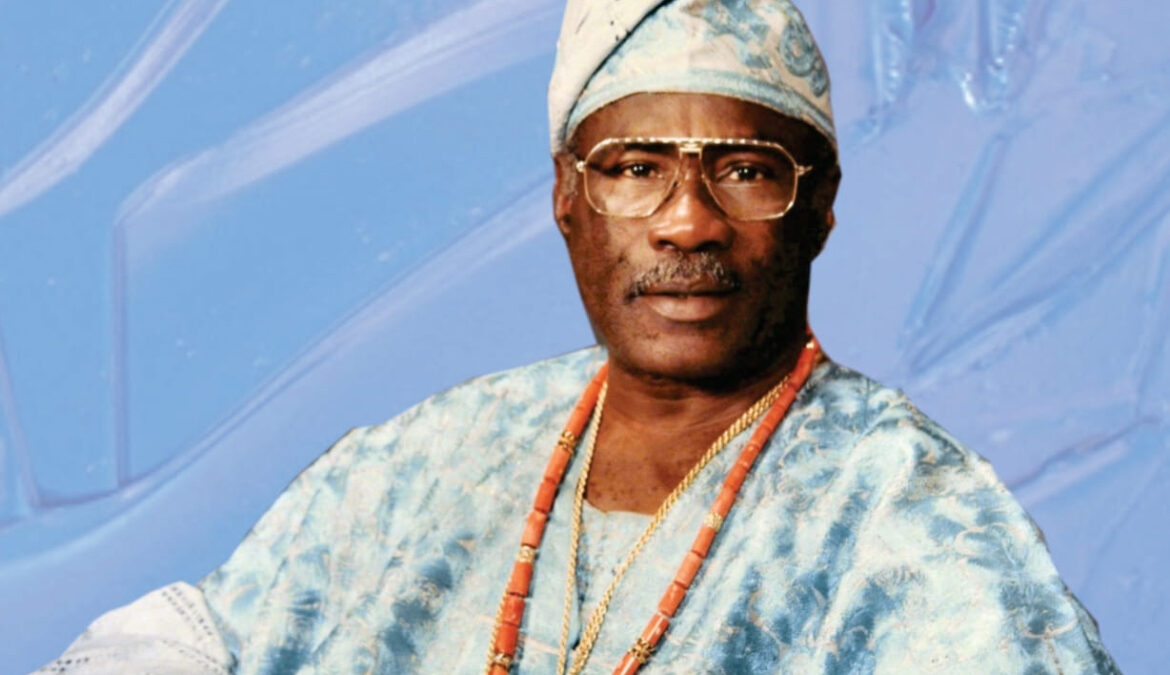
But the main thing that I want the reader to take away from this wondrous book, is the fate of Col Victor Banjo and Col Ifeajuna. Most Nigerians, especially the Yoruba, maintain that Gen Ojukwu, killed both officers to cover for his mistakes and shortcomings, after the Midwest and West misadventure. Bernard Odogwu strongly disputes this notion, because as head of Biafran military intelligence and someone who saw Ojukwu daily and severally slept over in the government house after long discussions into the night with the Head of state, he was privy to all the information about what Col Banjo did:
- Col Banjo sabotaged the Biafran thrust to Lagos to oust Gen Gowon.
- Col Banjo deliberately abandoned Benin and the Midwest – way before the Nigerian troops arrived, to cause panic.
- Col Banjo disobeyed orders to occupy the midwest and west within a day or two, therby purposefully losing momentum and costing Biafra one of its only chances of a surprise victory.
- Col Banjo did plan to violently topple Ojukwu (his dear friend).
How do we know that all the above allegations are true ? it is that both Banjo and Ifeajuna had meetings with Bernard Odogwu, where they severally talked about ending the war, and suing for peace etc, but without Ojukwu in the picture – this was a strange idea, they also claimed to have met American and British diplomats, who could help stop the war etc. As they met more on the issue, Ifeajuna finally let the cat out the proverbial bag, by stating that Ojukwu would have to be removed and by force if need be.
Unknown to them though, was the fact that the brief case Mr Bernard Odogwu always carried to these meeting, was a tape recorder, that was remote controlled and he used it to record their every word during the subtle and active plotting to remove Gen Ojukwu, these tapes were entered into evidence and those who write that the trial was a sham trial, need to read this book and then try and refute the details as given by Mr Benard Odogwu of Biafran Military Intelligence. Apologies to Mrs Ogunsheye – Col Banjo’s big sister ( she wrote a book about her brother and those war time events) – actually Col Banjo is one of my favorite Nigerian officer.
This book deserves to be my longest book review in terms of word count and I could go on and on and rave more about this blockbuster, monster of a book, it is a must read for all war historians and Nigerians alike. I am so happy to have been able to bring it to you all, and I hope you will go out and find it and learn and increase your knowledge of the Biafran war and decrease our ignorance of the war.
The book is currently unavailable on Amazon, but AbeBooks has copies, so keep an eye out or do check other outlets online and bookshops all over Nigeria, especially the airports, thanks.